


On the occasion of International Women’s Day, World Archery Americas recognizes the achievements of women who have left their mark on archery. Whether on the field, in officiating, leadership, or training new generations, their work has been essential to the sport’s growth in the Americas.
In the world of archery, the presence of female coaches remains low. Only 31 of the 156 coaches who participated in the Olympic and Paralympic Games in Paris were women. However, some figures have broken barriers and left an indelible legacy in the sport. Joan McDonald was one of them.
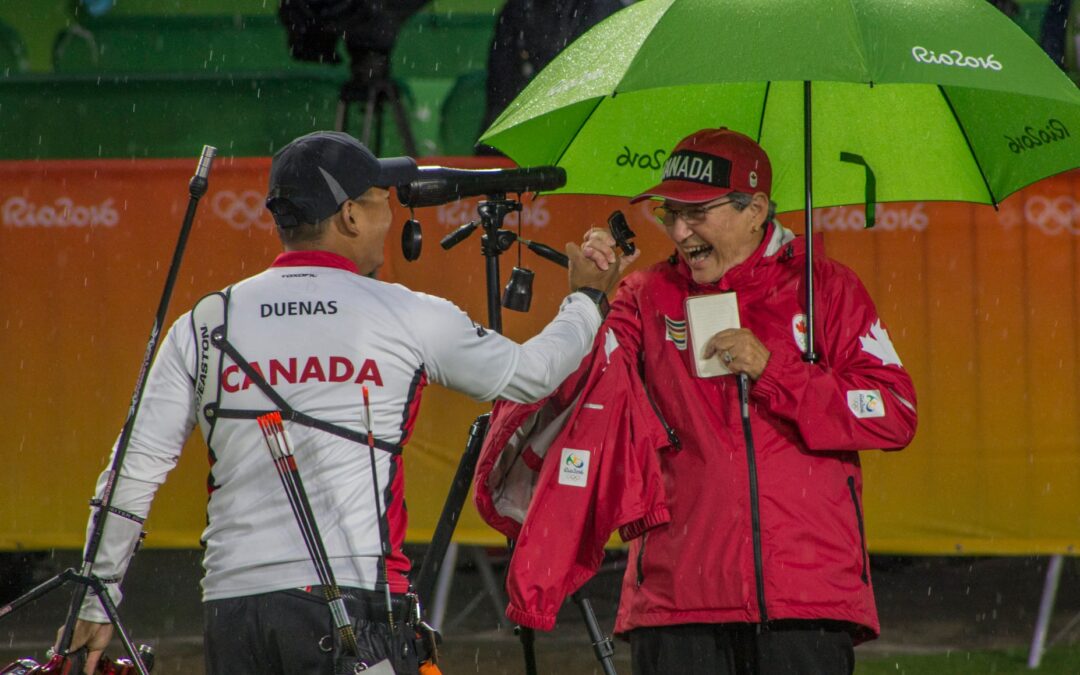
Joan’s contribution and dedication to archery as a coach for Canada led her to six Olympic Games, beginning with Atlanta 1996, followed by Sydney, Athens, Beijing, London, and finally Rio 2016, where she served as the national coach at the age of 73. Her career was marked by a unique commitment to strengthening archery in Canada, voluntarily dedicating nearly her entire life to creating a better support system for the development and success of athletes.
From Athlete to Elite Coach
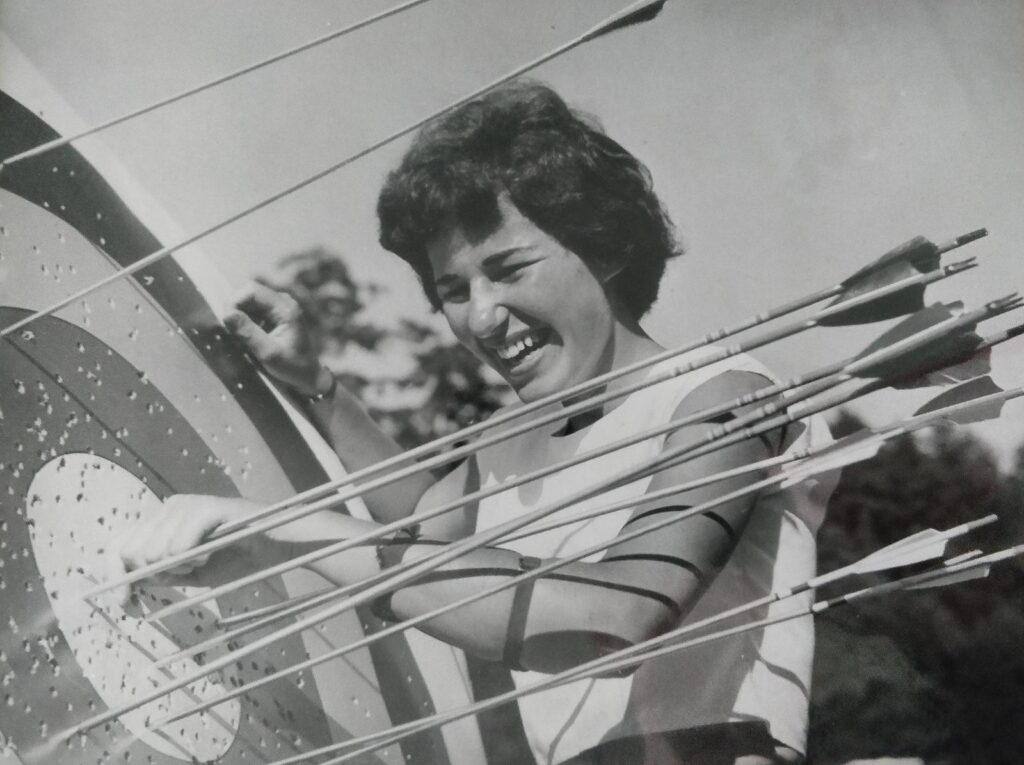
As an athlete, McDonald was a 13-time Canadian archery champion. Her first championship victory came in 1962, and she went on to represent Canada in eight consecutive World Championships, as well as the Pan American Games, where she won an individual bronze medal in 1979. Although she never competed in the Olympic Games, her most significant impact came as a coach over a 40-year career.
McDonald was a strong advocate for the growth of women in sports and became a pioneer for female coaches, being one of the few Canadian women to take on this role at the 2012 Olympic Games.
One of her greatest achievements as a coach was the success of Crispin Duenas, who, under her guidance for 15 years, became a four-time Olympian, a two-time Pan American Games gold medalist in 2019, and a competitor in 11 World Championships and numerous World Cups.
“Joan was there from the very beginning of my archery career, wanting to coach me because I didn’t have a coach. She did her best for me, even though I was sometimes a stubborn archer and didn’t want to try everything she recommended. She was my only coach in the more than 20 years that I knew her.”
Impact on Her Athletes
Joan’s teachings were full of honesty and practicality. She is remembered as a humble person, despite being considered one of the best coaches in the country, and the connections she formed with her athletes are still cherished.
“We used to call her the ‘Yoda’ of archery because she seemed to know all the answers simply from having been in the sport for so long,” recalls Duenas.
“She knew my technique like the back of her hand, and one of the last pieces of advice she gave me— which improved my shot—was over the phone, without even seeing me shoot an arrow. That’s how well she knew my technique.”
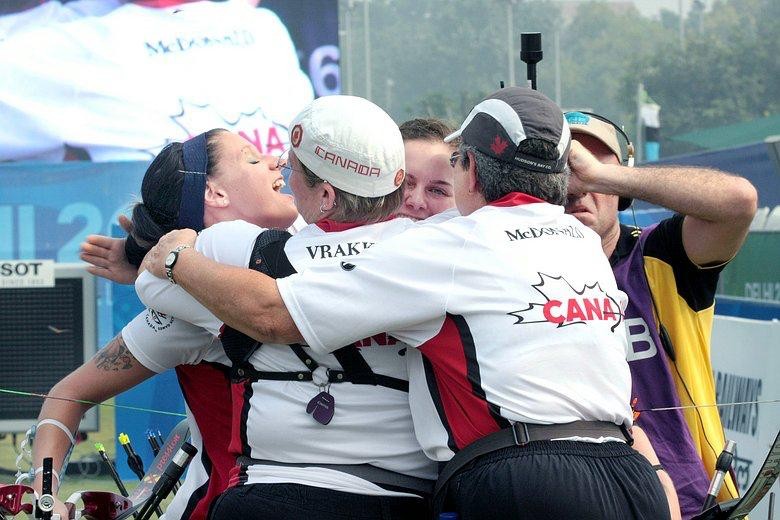
Vanessa Lee, Duenas’ teammate at the 2013 World Championships, was coached by Joan from 2006 until she retired from competition in 2015.
“Joan was the person who had the biggest impact on my life, not just in archery but as a person,” Lee commented. “She was incredible. She taught us that life is about much more than being good at something or excelling in a sport. It’s about who you are, your values, how to be independent, and how to think for yourself. I miss her every day.”
Recognition and Legacy
Both Crispin and Vanessa recognize the importance of having more female coaches in archery to achieve gender parity.
“Especially for female archers, it’s important to have someone to look up to—not just from a technical standpoint, but also someone who has gone through similar life experiences,” Lee said.
Having more women in these roles also brings different perspectives and styles of communication, enriching the athlete development process.
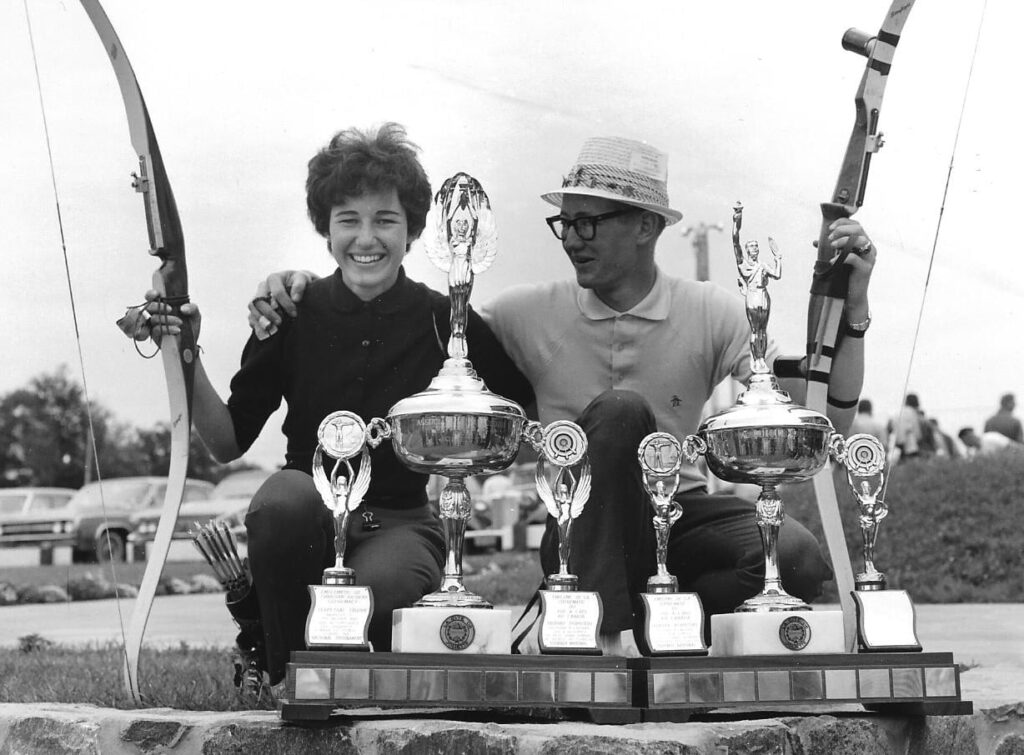
Joan McDonald’s lifelong work and dedication were recognized with numerous awards. She was inducted into the Canadian Olympic Hall of Fame and received the prestigious Jack Donohue Award for “Coach of the Year” from the Coaching Association of Canada in 2013.
Joan died on Wednesday 22 December aged 78, after a battle with cancer.
Her legacy in Canadian archery lives on in the athletes she coached and in the inspiration she left for future generations of coaches.